
Key takeaways
- CIOs focus on strategic technology leadership and digital transformation, while IT Directors manage day-to-day operational activities and team management
- CIOs typically earn $180,000+ annually and report directly to CEOs, whereas IT Directors average $130,000 and often report to CIOs or other executives
- 84% of CIOs are involved in enterprise-wide strategy compared to only 29% of IT Directors, who spend 70%+ of their time on operational tasks
- CIOs drive digital transformation in 91% of large enterprises and increasingly hold board-level positions, while IT Directors focus on maintaining IT infrastructure and services
- Organizations with 250+ employees typically benefit from having both roles, with CIOs handling strategy and IT Directors managing operations
The technology leadership landscape has evolved dramatically over the past decade, yet many organizations still struggle to understand when they need a chief information officer versus an it director. This confusion isn’t just semantic—it directly impacts business growth, operational efficiency, and competitive advantage in today’s digital-first economy.
While both roles are crucial for effective it management, they serve fundamentally different purposes within the organizational structure. Understanding these key differences isn’t just important for HR teams making hiring decisions; it’s essential for business leaders who want to align technology initiatives with business objectives and maximize their technology investments.
Core differences between CIO and IT director
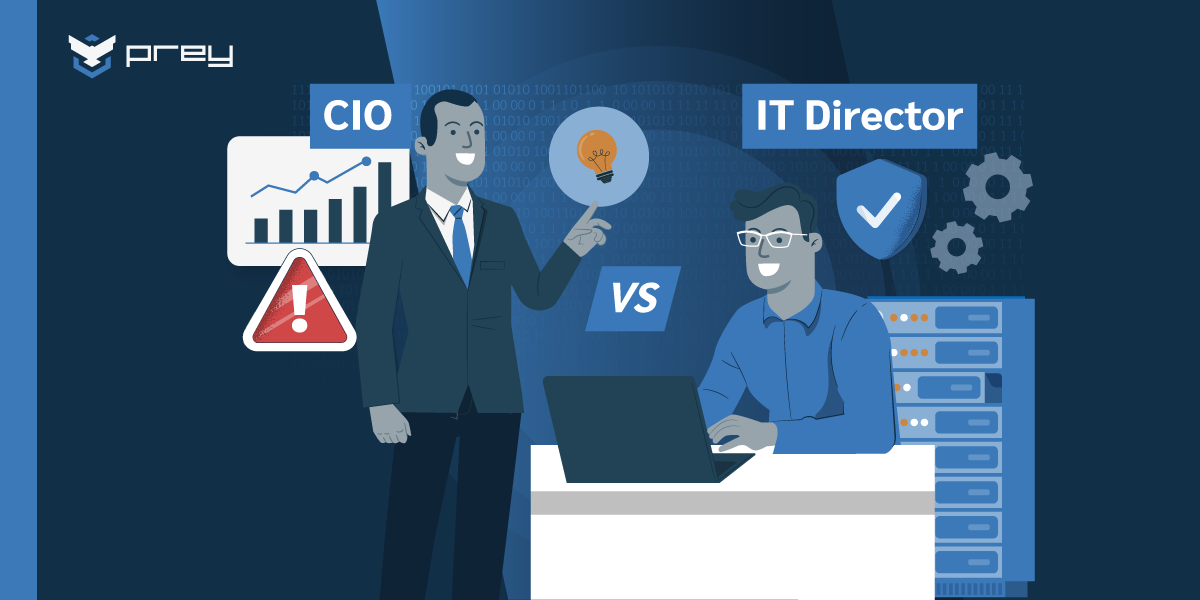
The primary distinction between these leadership roles lies in their strategic focus versus operational management responsibilities. A chief information officer operates as a strategic visionary who shapes how technology drives business growth and transformation. In contrast, it directors concentrate on the tactical execution of it systems and support services that keep the entire organization running smoothly.
This distinction becomes clearer when we examine their day to day operations. The cio focuses on identifying emerging technologies that can create competitive advantage, while it directors ensure that existing it systems operate reliably and efficiently. Both roles are critical, but they address different organizational needs and operate at different strategic levels.
Modern organizations have moved beyond the traditional model where a single it manager handles both strategic planning and operational tasks. The complexity of today’s technology landscape demands specialized expertise in both strategic vision and operational excellence. This evolution has created distinct career paths and skill requirements for each role.
The cio’s role has expanded significantly as technology became central to business strategy rather than just a support function. Today’s CIOs participate in executive leadership teams and contribute directly to business strategy development, while it directors focus on implementing these strategies through effective team management and operational oversight.
Strategic vs operational focus
The most fundamental difference between these roles lies in their strategic orientation. CIOs spend their time developing long-term technology roadmaps that align technology initiatives with business goals. They evaluate how emerging technologies like artificial intelligence, cloud computing, and data analytics can transform business processes and create new revenue streams.
IT directors, on the other hand, focus on maintaining operational efficiency in existing it systems. Their managers focus on ensuring email servers run smoothly, help desk tickets get resolved quickly, and network infrastructure remains secure and reliable. While CIOs ask “How can technology help us capture new markets?”, it directors ask “How do we maintain 99.9% uptime while managing our it budget?”
This operational versus strategic divide extends to how each role approaches technology challenges. CIOs drive innovation by identifying areas where technology can eliminate inefficiencies or create new business opportunities. They work with cross functional teams to understand how technology can transform customer experiences or enable new product development.
IT directors excel at continuous improvement within existing frameworks. They identify areas where current processes can be optimized, costs can be reduced, or service quality can be enhanced. Their strategic importance lies in creating the stable foundation that enables the CIO’s transformative initiatives to succeed.
The time horizons for these roles also differ significantly. CIOs think in terms of multi-year digital transformation initiatives, while it directors often work on quarterly or annual operational improvements. Both perspectives are essential—organizations need the stability that comes from excellent operational management and the growth that comes from strategic technology leadership.
Organizational structure and reporting lines
The organizational positioning of these roles reflects their different strategic importance within the leadership structure. CIOs typically report directly to the CEO and participate as full members of the executive team. This positioning enables them to influence business strategy and ensures that technology considerations are integrated into all major business decisions.
Only about 15% of it directors report directly to the CEO, with most reporting either to the CIO or other executive leadership team members such as the COO or CFO. This reporting structure makes sense given their primary responsibility for operational management rather than strategic planning.
The span of control also differs significantly between these roles. CIOs often manage relationships and initiatives that span across multiple departments, working closely with marketing, sales, finance, and operations teams. They coordinate technology initiatives that impact the entire organization and require collaboration from various business units.
IT directors typically focus their team management within the it department itself. They oversee it staff including network administrators, help desk technicians, and system administrators. While they may work with other departments to provide support services, their primary responsibility is managing the internal it function rather than enterprise-wide strategic initiatives.
This structural difference reflects the evolution of technology’s role in business. As digital transformation becomes central to competitive strategy, CIOs have gained increased strategic influence. Meanwhile, the growing complexity of it systems has made the operational expertise of it directors more valuable than ever.
The reporting structure also impacts decision-making authority. CIOs often have budget authority for major technology investments and can make strategic decisions about technology direction. IT directors typically manage operational budgets and make tactical decisions within frameworks established by higher-level strategic planning.
Compensation and career progression
The compensation differences between these roles reflect their strategic importance and organizational impact. According to recent industry data, CIO salaries typically range from $180,000 to $300,000 annually, with additional bonuses and equity compensation often bringing total compensation significantly higher. This reflects their direct contribution to business growth and strategic value creation.
IT director salaries generally range from $120,000 to $180,000, with less variable compensation tied to business performance. While still well-compensated, the difference reflects the operational versus strategic nature of their contributions to organizational success.
Several factors influence compensation within each role category. Organization size plays a significant role, with larger companies typically offering higher compensation for both positions. Industry also matters—technology companies, financial services, and healthcare organizations often pay premium salaries due to the critical role of technology in their business models.
Geographic location impacts compensation significantly, with major technology hubs like San Francisco, New York, and Seattle offering higher salaries to attract top talent. However, the growing acceptance of remote work has begun to equalize compensation across different regions.
Career progression paths differ substantially between these roles. IT directors often advance to CIO positions by developing business acumen and strategic thinking skills. This transition requires expanding beyond technical expertise to understand business objectives and develop innovation leadership capabilities.
Successful CIOs increasingly move into broader executive roles, including Chief Technology Officer positions, COO roles, or even CEO positions in technology-focused companies. Some CIOs also transition to board positions, leveraging their understanding of how technology drives business value.
Educational requirements and skills
The educational backgrounds and skill requirements for these roles reflect their different organizational functions. Research shows that 69% of CIOs hold advanced degrees, often including MBAs or other business-focused graduate education. This educational background supports their need to understand business strategy and financial management in addition to technology expertise.
IT directors are more likely to have technical undergraduate degrees and industry certifications. About 38% hold advanced degrees, with many focusing their continuing education on technical certifications and operational management skills rather than business education.
The skill requirements also differ significantly. CIOs need strong business acumen to participate effectively in strategic planning and communicate technology value to other executives. They must understand financial planning, risk management, and market dynamics to make effective technology investments that support business goals.
Communication skills are particularly critical for CIOs, who must translate complex technology concepts into business terms for board members and other executives. They also need change management skills to drive digital transformation initiatives across the entire organization.
IT directors require deep technical expertise and strong team management skills. They need to understand the technical details of systems administration, network management, and cybersecurity. Their success depends on their ability to manage technical teams effectively and ensure reliable service delivery.
Project management skills are essential for both roles, but applied differently. CIOs manage large-scale, multi-year strategic initiatives that often involve external vendors and multiple business units. IT directors manage operational projects focused on system upgrades, infrastructure improvements, and process optimization.
Industry experience becomes increasingly important for both roles. CIOs benefit from understanding how technology drives value in their specific industry, while it directors need experience with the particular technology challenges common in their sector.
Digital transformation and business impact
The role of technology in driving digital transformation has become a key differentiator between CIOs and it directors. CIOs oversee digital transformation in 91% of large enterprises, taking responsibility for initiatives that fundamentally change how organizations operate and compete.
Digital transformation initiatives led by CIOs might include implementing new customer relationship management systems, developing data analytics capabilities, or migrating operations to cloud platforms. These projects typically require significant investment and cross-departmental coordination, with success measured by business outcomes rather than just technical metrics.
IT directors support these transformation efforts through technical implementation and infrastructure management. They ensure that new systems integrate properly with existing infrastructure, that staff receive appropriate training, and that service levels are maintained during transitions.
The business impact of CIO decisions extends far beyond the it department. Research indicates that CIO decisions impact business KPIs in 87% of organizations, affecting metrics like customer satisfaction, revenue growth, and operational efficiency. This broad business impact justifies their position on the executive leadership team.
IT directors contribute to business success through operational excellence rather than strategic transformation. Their focus on maintaining reliable it systems and providing excellent support services enables other departments to focus on their core business activities without technology disruptions.
Risk management approaches also differ between these roles. CIOs focus on strategic risks related to technology investments, cybersecurity threats, and competitive positioning. They work with chief information security officer roles and other specialists to develop enterprise-wide risk management strategies.
IT directors manage operational risks related to system failures, data backup and recovery, and day-to-day security threats. Their disaster planning focuses on maintaining business continuity and minimizing downtime rather than strategic risk assessment.
When organizations need both roles
Large organizations with 250 or more employees typically benefit from maintaining separate CIO and IT director positions. This separation allows for specialized focus on both strategic planning and operational excellence, preventing either area from being neglected due to competing priorities.
The decision to maintain both roles often depends on organizational complexity rather than just size. Companies with multiple locations, complex it systems, or significant technology-dependent operations benefit from having dedicated operational management even when they have strong strategic technology leadership.
For smaller organizations, combining these roles may be necessary due to resource constraints. However, this approach carries risks that can limit strategic technology development. When a single person manages both strategic and operational responsibilities, operational demands often consume the time needed for strategic planning.
Virtual CIO services have emerged as a solution for companies that need strategic technology guidance but cannot justify a full-time CIO position. An outsourced cio can provide strategic planning and technology leadership on a part-time or project basis while an internal it director handles daily operations.
The timing of when organizations should separate these roles often correlates with growth phases. Fast-growing companies frequently reach a point where their it manager can no longer effectively handle both strategic planning and operational management. This transition point often occurs when the company begins pursuing digital transformation initiatives or expanding into new markets.
Industry factors also influence the decision. Technology companies, financial services firms, and other digitally-dependent businesses often need both roles earlier in their growth cycle compared to traditional manufacturing or service businesses.
Organizations that fail to distinguish between these roles often experience limitations in their technology effectiveness. Without dedicated strategic focus, companies may miss opportunities for competitive advantage through technology. Without dedicated operational management, they may experience service quality issues that undermine business productivity.
The cost effectiveness of maintaining both roles depends on the strategic value generated by having dedicated technology leadership. Companies that successfully align technology initiatives with business strategy typically see returns that justify the investment in specialized leadership.
FAQs
Can an IT Director be promoted to CIO?
Yes, it directors can advance to CIO roles by developing strategic business skills and demonstrating leadership beyond operational management. Successful transitions require understanding business objectives, developing executive communication skills, and gaining experience in digital transformation initiatives. Many organizations promote from within when it directors show strategic thinking and cross-departmental collaboration abilities. The key is developing business acumen to complement technical expertise and proving the ability to think strategically about technology’s role in driving business growth.
Do small companies really need a CIO if they have an IT Director?
Small companies under 50 employees may not need a full time cio but can benefit from virtual cio services for strategic guidance. As companies grow beyond 100-250 employees, having dedicated strategic technology leadership becomes crucial for competitive advantage. Without strategic technology leadership, companies risk falling behind in digital transformation and technology-enabled business growth. The critical factor is whether the organization needs strategic technology planning to achieve its business goals, regardless of size.
How does the Chief Technology Officer differ from both CIO and IT Director positions?
A chief technology officer focuses on customer-facing technology development and product innovation, while CIOs manage internal it operations and strategy. CTO teams typically include software architects and developers working on external products, whereas CIOs oversee internal technology infrastructure and business systems. IT directors support both CIO and CTO functions by managing operational aspects of technology delivery and maintenance. In many organizations, the CTO reports to the CIO, though this structure varies depending on whether the company is primarily technology-focused or uses technology to support other business activities.
What happens when organizations don’t distinguish between CIO and IT Director roles?
Combining roles can limit strategic value and hinder digital transformation initiatives due to operational demands consuming strategic time. Organizations may struggle with innovation and competitive positioning when technology leaders are overwhelmed with daily operational tasks. Growth companies particularly suffer when strategic technology planning is neglected in favor of maintaining current systems. This approach often results in missed opportunities for technology-enabled business growth and competitive advantage, particularly as companies scale and face more complex technology challenges.
Is cybersecurity the responsibility of the CIO or IT Director?
Both roles share cybersecurity responsibilities, with CIOs focusing on strategic security planning and risk management at the executive level. IT directors handle operational security implementation, monitoring, and day-to-day incident response activities. Many large organizations also employ a chief information security officer who specializes exclusively in security strategy and compliance. The CIO typically owns the overall security strategy and budget, while the IT director implements security policies and manages security tools and processes. This collaborative approach ensures both strategic security planning and effective operational security management.